“Our Movie”: A poignant romance between a film-director at a crossroads and a terminally ill actress who decide to make one last great film together.
Introduction
The first time I pressed play on Our Movie, I didn’t expect to feel my own heartbeat syncing to the sound of a clapperboard. Have you ever met a show that makes you breathe differently—like each scene might be your last chance to say what matters? This drama finds love not in grand gestures but in the small, stubborn choices to keep showing up, especially when time refuses to bargain. As I watched a director stuck in the shadow of his legendary father meet an actress who knows her days are numbered, I felt that familiar ache: the one that asks, “What would I do if there really was no later?” With every episode, I found myself rooting not just for a couple, but for the audacity to live fully—even while planning for the inevitable. By the end, I wasn’t just moved; I was grateful, and I think you will be too.
Overview
Title
: Our Movie (우리영화)
Year
: 2025.
Genre
: Romance, Melodrama.
Main Cast
: Namgoong Min, Jeon Yeo-been, Lee Seol, Seo Hyun-woo.
Episodes
: 12.
Runtime
: About 70 minutes per episode.
Streaming Platform
: Hulu.
Overall Story
Lee Je‑ha once dazzled the film world with an audacious debut, then froze. For five years he refused projects, interviews, and the terrifying rumor that his first miracle was a fluke. Studio executives hovered around him like vultures and saviors, offering an easy way out: just remake your father’s masterpiece and ride the legacy. He hates the idea because it reduces him to inheritance instead of intention. When he finally stumbles onto a new script about loving someone whose life is running out, it’s not courage that moves him—it’s curiosity. He doesn’t yet know that the woman who will unlock the film is the one already living that ending.
Lee Da‑eum is an aspiring actress who spends as much time at the hospital as she does in audition rooms. “I’m not the tragedy,” she tells a nurse with a smile that makes people forget the IV. She reads scripts between scans, coaching other patients through their lines like it’s a game. The staff all know her for the way she cheers in the hall after someone’s good test results. Then she meets Je‑ha in a consultation room—an odd place to talk about cinema, but isn’t that where we decide what stories to keep? He asks her blunt questions about endings; she answers with the boldness of someone who knows time is a negotiator you cannot bribe.
Je‑ha invites Da‑eum to consult on his script, and their notes sessions turn into walks between radiology and the hospital café. She pushes his writing away from clichés and toward breath: fewer speeches, more silences that hurt. He learns her rhythms—the days she has energy are electric; the days she doesn’t are still somehow luminous. When auditions begin, Da‑eum arrives uninvited and reads for the lead, eyes steady, voice soft, like she’s placing a candle inside a storm. The room goes quiet. Choosing her isn’t just daring; it’s a declaration that the film can be more than a product.
News of her casting spreads and the industry bristles. Producers worry about insurance, schedules, and reputational risk, while the press circles the story of a director in freefall gambling on a terminally ill newcomer. Je‑ha’s father’s old colleagues call him impulsive, but a few younger crew members volunteer, whispering, “Let’s make the kind of set people remember.” The team rebuilds the shoot around Da‑eum’s treatment calendar, and softness becomes policy: shorter days, quiet zones, contingency plans. Have you ever seen a workplace choose humanity over speed and still create something beautiful? That’s the alchemy here. Caring for her doesn’t dampen the artistry; it sharpens it.

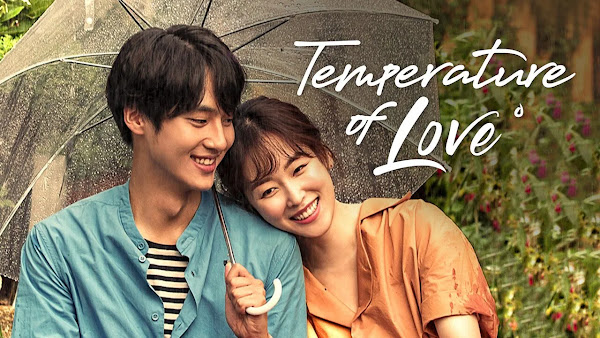
Their on‑screen story and off‑screen reality begin to mirror each other in uncomfortable ways. A location day is rained out, but the scene thrives under a single shared umbrella; a love confession on the page lands differently when Je‑ha realizes he’s confessing for real. Da‑eum keeps her boundaries—she’s nobody’s muse or martyr—and insists that if they love each other, it has to be present-tense, not a promise of someday. Je‑ha, who has hidden inside perfectionism for years, starts to show his unpolished self. The film shifts: less about losing time, more about spending it wisely. Together, they choose moments over milestones.
Pressure mounts when financiers threaten to pull out unless Je‑ha agrees to the remake after this film. He’s tempted; fear wears a persuasive face. Meanwhile, Da‑eum’s symptoms worsen, and the crew tightens like a family—running lines in hallways, turning infusion days into table reads. There’s a scene where Je‑ha records room tone and you notice he’s really recording her breathing, as if to keep it forever. It’s not morbid; it’s devotion. He begins rewriting the ending, refusing easy sentimentality or cruelty, trying to honor the way she lives.
Socioculturally, the drama peers into South Korea’s film industry etiquette—deference to elders, obsession with legacies, and the quiet class divides that determine who even gets into audition rooms. It also brushes against the practicalities of illness that any family anywhere understands: scheduling, burnout, spiraling “what ifs,” conversations about health insurance and the weight of life insurance decisions when the future turns into a spreadsheet. Those topics could feel cold, but here they’re surrounded by food runs, jokes on set, and found-family rituals. The show never weaponizes illness; it humanizes it. Have you ever felt the strange relief of naming a fear out loud? That’s the relief these characters give each other.
As filming nears completion, a cruel rumor suggests Da‑eum’s casting is a marketing stunt. Je‑ha wants to fight, but she asks him to protect the work, not her pride. The two retreat to a coastal location to reshoot a small, stubborn scene about morning light and unfinished coffee; it becomes the heart of the film. Later, at a test screening, the audience sits silent for several beats after the credits, as if learning how to breathe again. Je‑ha could finally accept the remake offer and coast; instead, he chooses the scarier road of continuing to make original work. It’s not a triumphal anthem—it’s a quiet vow.
The finale lands like a benediction. Da‑eum faces a bad night, then a better morning, and she decides that better is enough. Je‑ha premieres the film not as a memorial, but as a love letter to the present tense. He stands before the audience and admits the ending changed him first. When the lights come up, he looks for her in the crowd the way we all look for the person we made something for. Whether you read the ending as bittersweet or tenderly hopeful, the show earns every tear. It teaches that stories don’t save us from loss, but they help us spend our days like they matter.
And when the curtain falls—when credits roll over the faces of people who chose compassion over convenience—you’re left with the urge to call someone, to forgive someone, to plan a small trip, to actually use that streaming subscription you keep meaning to cancel for something that heals. Our Movie doesn’t shout; it whispers in a way that reaches deeper. It is, simply, about loving on purpose. And if you’ve ever needed permission to live like the main character in your own life, this is it.
Highlight Moments
Episode 1
An exhausted Je‑ha flees yet another meeting about remaking his father’s classic and hides in a hospital corridor, where he overhears Da‑eum coaching a patient through lines; their first conversation—half script talk, half life talk—plants the seed for a collaboration that feels reckless and right.
Episode 2
At the open audition, Da‑eum arrives unannounced and reads the lead with a stillness that rattles the room; Je‑ha chooses her, then immediately faces a wall of emails about schedules, risk, and “what the market can tolerate,” forcing him to decide what kind of director—and person—he wants to be.
Episode 4
Mid‑shoot, Da‑eum collapses from fatigue; the crew pivots, builds a quieter set, and a supporting actor steps up to reblock the scene so she can sit—what could have been a setback becomes a creative breakthrough that changes the film’s visual language.
Episode 6
A dinner with Je‑ha’s father detonates years of resentment; the elder director insists art must outlive the artist, while Da‑eum counters that art exists to serve life, not replace it, leaving Je‑ha caught between legacy and love.
Episode 8
During a location reshoot by the sea, a sudden rainstorm traps Je‑ha and Da‑eum under one umbrella; they improvise with a single practical lamp and record a scene that later becomes the trailer’s emotional core—and their private promise to stop postponing joy.
Episode 12
On premiere night, the audience’s long silence after the final shot feels like a collective prayer; Je‑ha’s Q&A turns into a tribute to every person who made room for grace on set, and his last look toward the aisle where Da‑eum sat says more than any speech.
Momorable Lines
“Let’s film like we’re already out of time.” One sentence, and suddenly every decision on set feels urgent in the best way. Je‑ha says it to rally a crew worried about delays, but he’s really talking to himself. The line reframes fear as focus, setting the tone for how the team treats both the movie and Da‑eum. It’s a mission statement for making art and for living.
“I don’t want to be a miracle; I want to be a lead.” Da‑eum throws this line like a gentle stone into still water, and the ripples change everything. She refuses pity roles or tokenism, asking for character, not charity. The crew hears it and adjusts their gaze—no more filming her illness instead of her choices. It’s the sentence that keeps the story honest.
“Legacy is a story people tell so they can delay living.” Je‑ha says this after yet another pitch about remaking his father’s film. The words are sharp because they’re true for him; legacy has become a shield. Da‑eum challenges him to make something that could fail but would be his. The line captures a central theme: trading reputation for presence.
“If love is waiting, we’ll miss it while we wait.” Da‑eum offers this when Je‑ha suggests postponing a scene “until things are better.” It’s not recklessness—it’s clarity. She’s learned to measure time in good hours, not just good days. The line nudges him toward the kind of courage that looks like a picnic between scans and a kiss between takes.
“Keep the room tone; it’s the sound of breathing.” On paper, it’s a joke about audio; on screen, it becomes a vow. Je‑ha says it while capturing ambience, but he’s thinking of Da‑eum. It’s a promise to notice the ordinary—cups clinking, pages rustling, someone you love inhaling and exhaling. The line turns technical detail into tenderness.
Why It's Special
“Once, we promised ourselves we would make something beautiful.” That’s the quiet, beating heart of Our Movie, a 2025 SBS melodrama that follows a burnt‑out director and an actress running out of tomorrows as they decide to shoot one last film—and discover a love that can’t be postponed. If you’re in the United States, you can stream it on Hulu; in many international regions, it’s available on Disney+ via the Star hub, making it easy to press play and sink into its tender spell wherever you are. Have you ever felt this way—like the only way to keep living is to create something with someone who truly sees you?
What makes Our Movie special is how it turns a simple premise into a lived‑in world. The show is meta without being showy: a story about making a story, where production meetings become confessions and rehearsals turn into second chances. The film‑within‑the‑drama structure lets us feel the electricity of a set while never losing sight of two people learning to be brave in front of each other.
The performances land like a hush after a downpour.
Namkoong Min
plays director Lee Je‑ha with a restraint that breaks you in the best way—eyes that have seen too much, a voice that chooses gentleness anyway. Early Korean press singled out how fully he inhabits this man’s thaw, and you can feel it in the way Je‑ha learns to stand quietly beside someone else’s dream.
Opposite him,
Jeon Yeo‑been
is luminous as Lee Da‑eum, an actress who refuses to let a ticking clock define her final act. Her Da‑eum is not a trope but a person: playful, stubborn, hungry for a role that is finally hers. Watching her step into the light isn’t just moving—it’s galvanizing, like hearing your favorite line of dialogue spoken directly to you.
Director Lee Jung‑heum’s eye is quietly spectacular. He favors patient framings, warm dusk colors, and long takes that trust a tremble in the hand more than a flourish in the cut. The result is a drama that feels cinematic without ever smothering its characters. You sense a filmmaker asking, “What if we aim for grace first?” and then getting out of his actors’ way.
The writing by Han Ga‑eun and Kang Kyung‑min threads romance, illness, and the everyday grind of set life into something human‑sized. It’s a melodrama, yes, but it refuses melodramatic shortcuts. Instead of big speeches, we get imperfect words in imperfect rooms—promises and apologies that feel like they were scribbled in the margins of a script.
And then there’s the music. Kim Tae‑seung’s score tilts toward strings and piano, the kind of cues that lift a glance into a revelation. The soundtrack doesn’t tell you what to feel; it reminds you what you already feel when someone looks at you like you’re worth a second take. Combined with 60‑plus‑minute episodes that breathe, the show becomes a space you don’t want to leave.
Popularity & Reception
Our Movie premiered on SBS in South Korea on June 13, 2025, and wrapped on July 19 after 12 episodes. Its opening weekend delivered modest but promising numbers—an initial nationwide rating in the 4% range with a peak around 5.6% for a key segment—signaling a title that might grow by word of mouth rather than headline‑grabbing spikes.
As discourse heated up, lead actor Namkoong Min addressed the early ratings head‑on, asking viewers to stay with the series through episode five before rendering a verdict. The candid appeal resonated; it reframed the show as an intimate slow burn rather than a one‑episode verdict, and it invited audiences to judge the arc, not just the pilot.
Buzz built quickly in Korean entertainment media, praising the “delicate” direction and ensemble chemistry. Within its first week, Our Movie climbed to the No. 2 spot on Kinolights’ daily chart, proof that a quieter melodrama can still elbow its way into a fast‑scrolling feed when it has heart.
Western aggregator pages have also taken notice; while formal critic consensus is still emerging, the series is now tracked on Rotten Tomatoes with accessible synopsis and credits, helping international viewers discover it alongside familiar romance dramas. That visibility matters, especially for a drama that thrives on conversation after the credits roll.
Crucially, global availability has supercharged the fandom. With episodes streaming on Hulu in the U.S. and on Disney+ (Star) in many regions, viewers can watch, cry, and recommend in the same night—and that immediacy has translated into a steady chorus of “You need to see this” across socials and group chats.
Cast & Fun Facts
Namkoong Min
crafts Lee Je‑ha as a man quietly negotiating with regret. His stillness is never empty; it’s loaded with the kind of unsent letters artists write to themselves when a dream starts to feel heavy. In the early episodes, you can almost see him exhale for the first time in years when Da‑eum steps into his frame—a director remembering why he ever picked up a camera.
What’s striking is how Namkoong Min calibrates his arc without leaning on grand gestures. A half‑smile in a dim editing suite, the way he steadies a trembling hand on a shoulder during a tough scene—these choices make Je‑ha’s thaw feel earned. It’s the sort of performance that becomes more devastating when you rewatch, precisely because it hides in plain sight.
Jeon Yeo‑been
plays Lee Da‑eum like a comet—bright, fast, and impossible to ignore. She gives Da‑eum agency at every turn, refusing the narrative that illness steals a person’s authorship and instead insisting that art can be an act of self‑definition. Her smile after nailing a take is its own happy ending, however temporary.
In more intimate moments, Jeon leans into vulnerability without letting it hollow the character out. She captures the whiplash of being both brave and terrified—finding a future in the present tense. Have you ever felt that tug, when you want to press pause on a perfect day? That’s the ache she puts on screen.
Lee Seol
rounds out the triangle as Chae Seo‑young, a fellow actress whose ambition is both mirror and foil. Lee doesn’t play jealousy; she plays hunger, the kind that can either sharpen a person or cut them. Her scenes hum with the tension of a woman deciding what kind of story she wants to be part of.
As the show deepens, Lee Seol peels back Seo‑young’s layers—professional pride, private tenderness, a dawning respect for Da‑eum that feels like relief. It’s a performance that honors the complicated friendships women build in competitive spaces, where rivalry and kinship often share the same dressing room.
Seo Hyun‑woo
anchors the production side as Boo Seung‑won, the kind of veteran presence every set needs. He’s pragmatic without being cynical, an adult in the room who still remembers the rush of a first shot on a first morning. Seo threads humor into the heaviness, letting a well‑timed aside or a raised eyebrow reset the temperature of a scene.
Later, when stakes mount, Seo Hyun‑woo gives Seung‑won a gentle spine—steadfast, unshowy loyalty that keeps the lights on and the reel turning. It’s a quiet showcase for an actor who excels at making supporting roles feel indispensable, the gravity that lets others orbit.
Behind the camera, director Lee Jung‑heum teams with writers Han Ga‑eun and Kang Kyung‑min to build a 12‑episode canvas that plays like a feature stretched to its most breathable length—episodes run roughly an hour‑plus, letting scenes unfurl at human speed. Together, they make a case for melodrama as an art of attention: to faces, to silences, to the courage it takes to say “Action” when you’re afraid of the cut.
Conclusion / Warm Reminders
If a tender, grown‑up love story about art, time, and choosing each other sounds like your kind of evening, Our Movie is waiting—stream it on your couch with a blanket, a tea, and someone you trust. If you already have a Hulu subscription or the Disney Bundle, add it to your queue tonight; and if you’re comparing the best streaming plans for fall, consider this your nudge toward a series that earns every minute. Have you ever needed a show to remind you that small kindnesses can change a life? This one does, scene by scene.



Comments
Post a Comment