Gogh, The Starry Night—A tender workplace romance where ambition meets a quietly burning first love
Introduction
The first time I watched Gogh, The Starry Night, I felt the familiar sting of late-night fluorescent lights and that awkward flutter when a text from your ex lands at 2:03 a.m. Have you ever stayed at your desk a little longer just to avoid a complicated goodbye—or a complicated hello? This drama captures that liminal space: the glow of Seoul’s skyline outside the window, the clatter of keyboards inside, and the hush of feelings nobody wants to say out loud. I fell for its small gestures—the umbrella held a second too long, the coffee cup refilled without a word, the memo written with more care than necessary. It’s the rare workplace rom-com that understands how ambition and affection thread through the same hours, asking us to be brave in spreadsheets and in love. By the end, I wasn’t just rooting for a couple; I was rooting for anyone who’s ever wondered if the person glaring across the conference table is actually looking out for you.
Overview
Title: Gogh, The Starry Night (고호의 별이 빛나는 밤에).
Year: 2016.
Genre: Romantic comedy, workplace drama.
Main Cast: Kwon Yuri, Kim Young-kwang, Lee Ji-hoon.
Episodes: 20 (web version); also aired as a 4-episode TV cut in Korea.
Runtime: Approximately 20 minutes per web episode.
Streaming Platform: Viki.
Overall Story
Go Ho is twenty-nine, an assistant at a Seoul advertising agency, and the person who always volunteers for “just one more draft.” She’s good at reading clients, less good at reading feelings—especially those of her temper-prone mentor Kang Tae Ho, whose critiques can slice and save a campaign in the same breath. In a culture where hierarchy matters and nunchi—social attunement—is a survival skill, she keeps her head down, turns in glossier copy than anyone asked for, and laughs off the loneliness that trails her home like a stray cat. When the team lands a finance client, Go Ho writes with a clarity that startles everyone, Tae Ho included, and you see the first fissure in his hard shell. Have you ever had a boss whose silence felt like both a wall and a shield? That’s the ache that powers their every meeting: two people learning each other’s grammar long before they admit they’re speaking the same language.
The inciting spark is a side gig: a candid “ratings” column that Go Ho pens for a lifestyle magazine under a pseudonym. It starts as a vent—rankings of office archetypes, the perfectionist mentor, the charming slacker, the ex who lingers like a pop-up ad—and unexpectedly goes viral. Her piece about a “volcano of a boss” hits a nerve, and readers devour it like late-night tteokbokki. The column’s popularity emboldens her at work, where she begins pushing back on lazy pitches and insisting the team actually study consumer pain points instead of just shiny slogans. The irony is delicious: every word that makes her braver on the page complicates her life in the office. And in the subtext, we realize Tae Ho reads her column too, recognizing himself between the lines and choosing, for once, not to erupt.
Then the past strolls in with perfect hair: Hwang Ji Hoon, the ex-boyfriend who broke up with Go Ho “for her own good,” becomes her new team lead. His return is a masterclass in Korean workplace etiquette—smiles that are a touch too long, apologies that never quite say why, chocolates for the team that taste like bargaining. He’s all warmth, the polar opposite to Tae Ho’s flinty focus, and the agency splits into camps before anyone admits it. Go Ho tries to play neutral, but neutrality is expensive; it costs her sleep, and we see it in the coffee she doesn’t finish. The triangle isn’t just about romance but about professional sponsorship: who sees her talent, who uses it, who nurtures it. In the spaces between meetings, her heart keeps walking toward the person who challenges her to be sharper rather than softer.
Office life frames everything: late-night ramyeon over mock-ups, the dread of client calls, the tiny victories of a tagline that finally lands. The series smartly layers Korea’s hustle culture with the vulnerability of being “almost thirty” and not yet certain if you’re allowed to want both a promotion and a love story. Campaigns touch real consumer anxieties—mortgage rates for newlyweds, car insurance quotes for first-time drivers—and you watch Go Ho translate jargon into human comfort, as if writing ads teaches her the language of choosing a partner. The more she succeeds, the more the men around her are forced to decide whether they love a version of her that stays small or the woman who’s outgrowing the box they built. Have you ever noticed how affection that can’t celebrate your growth begins to feel like doubt? That’s the genius of this rom-com: career and love are not parallel plots; they are the same test.
Tae Ho, for his part, wrestles with his leadership. We learn his brusqueness hides a mentorship philosophy: criticize in private, defend in public—a code forged by his own humiliations early in his career. When an executive tries to dismiss Go Ho’s strategy as “too emotional,” Tae Ho dismantles the critique with data she gathered at 1 a.m., then quietly edits the deck so her name sits on the title slide. It’s the kind of protection that feels almost old-fashioned in a modern office—chivalry reimagined as credit-sharing. Yet he never says the thing out loud, and silence becomes its own antagonist. Watching him practice a confession in the reflection of a subway window, then swallow it, I realized how many love stories are really about unlearning fear.
Ji Hoon courts differently. He offers flowers, inside jokes, and the comfort of history, tenderly reminding Go Ho of the versions of herself she’s already survived. But history is a tricky sales pitch; it often relies on nostalgia’s rounded corners. When he proposes a plan to fast-track her career—fronting a splashy campaign while he “handles” the politics—it sounds generous until you notice how it keeps him in control. The show never vilifies him; instead, it treats his gestures as a portrait of good intentions that learned power too well. Have you ever been offered help that felt like a hand on your back and a leash around your waist? Go Ho has, and watching her decode the difference is a quiet thrill.
Midseason, the anonymous column’s success becomes a problem. A coworker is wrongly suspected as the author, and office gossip turns the bullpen into a minefield. Go Ho faces a choice: protect her secret or protect her colleague. She stages a risk—crafting a column that only someone in her exact position could write, effectively outing herself without saying her name. The fallout is immediate; she’s reprimanded for “unprofessionalism,” yet the metrics don’t lie—engagement spikes, and clients ask for the mind behind those words. It’s a pivotal Korean workplace moment: hierarchy demanding apology while the market demands authenticity. Tae Ho’s response—stern in public, supportive in private—becomes the bridge between the two.
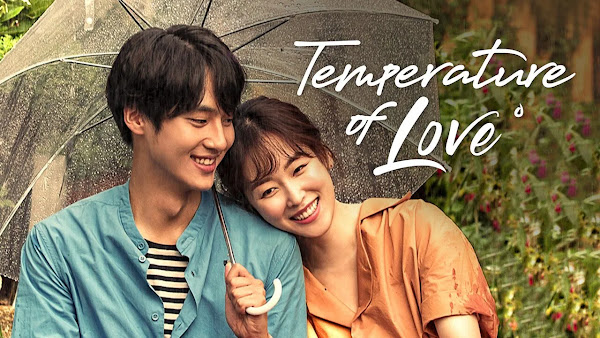
The romance tightens through everyday rituals rather than grand gestures. A shared umbrella in a summer downpour. A convenience-store run at 11 p.m. where the cashier (in a delightful cameo) offers careless advice that lands with religious clarity. You start to see how love accrues: in the second cup of coffee fetched without asking, in the draft saved from a crash, in the walk to the bus stop even when it’s out of the way. Ji Hoon presses for a decision; Tae Ho waits, not passively, but with the patience of someone who wants to be chosen for the right reasons. The show argues that waiting can be a form of respect, and respect is the root of desire.
As the team enters its final pitch cycle, the stakes—both professional and personal—crest. A high-profile client in the travel sector demands a campaign that makes “travel insurance” feel like peace of mind instead of paperwork, and Go Ho frames it as “the courage to go farther because you’re covered.” The line wins the room, but more importantly, it clarifies her own heart. She wants a love that lets her go farther, not one that keeps her safe by keeping her small. In the afterglow of the win, Tae Ho almost confesses again and doesn’t, and the ache is exquisitely human.
The finale brings a soft, starry catharsis that earns the title. After a rooftop team dinner to celebrate, Go Ho lingers to watch the city lights, thinking about the constellations she’s mapped across this office: who she was, who she is, who she hopes to be. Tae Ho arrives with warm canned coffee and, finally, words. He admits he’s been her harshest critic because he’s always seen her as the standard, not the exception. She smiles—the kind of smile that forgives the past without erasing it—and chooses him, not because he’s safer, but because he’s steadier. Sometimes the bravest thing you can do is name the person who already feels like home.
Highlight Moments
Episode 1 The tone is set in a late-night sprint where Go Ho finesses copy while Tae Ho slices filler like a surgeon. He critiques, she bristles, and their rhythm clicks into that familiar dance of push and pull. A tiny moment—him leaving the last elevator open so she doesn’t walk to the bus alone—plants the first star in their sky. It’s not a grand gesture, but it’s the first time we feel the temperature change. If you’ve ever realized someone cares because of what they do when no one’s watching, you’ll exhale with her.
Episode 3 Go Ho’s anonymous “ratings” column goes viral after she sketches a volcanic mentor who terrifies and protects in equal measure. The office buzzes with speculation, and we see how quickly a workplace becomes a rumor mill. Tae Ho reads it too and recognizes himself, choosing restraint when a client trashes the team—proof that being seen can make us gentler. The column doesn’t just entertain; it transforms how she holds herself in meetings. It’s a risky kind of courage, and it feels earned.
Episode 5 A cameo by Lee Jong-suk sparks a hilarious misunderstanding during a shoot review, underscoring how outsiders can see chemistry the leads won’t admit. His playful nudge—half joke, half truth—makes Go Ho confront the line between annoyance and attraction. The encounter becomes a mirror: what do your friends see that you refuse to name? It’s light, fast, and charming, and it moves the needle on her self-awareness. Sometimes it takes a stranger to point at your heart.
Episode 8 At a convenience store, a brief interaction with a warm cashier (Park Shin-hye’s cameo) becomes a mini-therapy session. Go Ho realizes she’s been writing with more honesty than she’s living, and the thought haunts her commute home. The scene is simple—instant noodles, a soft question, an even softer answer—but the effect is seismic. She begins drafting a column that risks revealing herself, valuing integrity over anonymity. The smile she shares at the door feels like a quiet vow.
Episode 13 Office politics flare when a coworker is blamed for the column, and Go Ho engineers a piece that only she could have written. The move is both confession and shield, protecting her colleague while accepting the consequences. Tae Ho’s public reprimand paired with a private “I’ll deal with the fallout” shows his code in action. It’s the clearest articulation yet of leadership as love language. If you’ve ever needed someone to back you in the room and not just over text, this will hit.
Episode 20 Under a Seoul night that looks almost painted, the truth finally lands. Tae Ho confesses without flourishes; Go Ho answers without hedging. They talk about work as much as love, promising to fight fair in both. The kiss isn’t flashy, but it feels like a final draft after months of revisions—clean, confident, right. The camera lingers on city lights that resemble stars, and the title clicks into place.
Memorable Lines
“I don’t want a rescue. I want a partner.” – Go Ho, Episode 13 Said after she claims authorship of the column, it’s the pivot from apologizing to owning her work. The line reframes romance as collaboration instead of caretaking. It deepens her dynamic with Tae Ho, who finally understands what support must look like. It also closes the door on the version of Ji Hoon who mistakes comfort for consent.
“Critique is what I owe your talent; silence is what I owe your dignity.” – Tae Ho, Episode 6 He says this when she asks why he defends her in meetings but nitpicks her drafts. It exposes his leadership philosophy and the tenderness wrapped in his severity. The admission softens her—and us—toward his brusque exterior. It foreshadows a love that challenges rather than coddles.
“Nostalgia edits our memories better than any copywriter.” – Go Ho, Episode 9 After a date with Ji Hoon that feels like a rerun, she pens this line in her column. It’s a scalpel disguised as a sigh, cutting through the halo of their past. The sentence signals her growing clarity and the show’s allergy to easy answers. Readers in the drama (and we at home) recognize the wisdom immediately.
“If I’m harsh, it’s because you’re the standard I measure against.” – Tae Ho, Episode 19 Near the end, he tries again to explain the difference between pressure and punishment. The confession is as close as he comes to poetry, and it lands because he pairs it with action—crediting her publicly. The line reframes his earlier missteps without excusing them. It paves the way for a confession that feels mutual, not managerial.
“Love should be the best credit card—no fees for growing, rewards for trying.” – Go Ho, Episode 11 She pitches a financial client with this metaphor, then laughs at her own audacity. The room relaxes, the idea sticks, and we glimpse how her creative voice is finally unbound. It’s also a thesis for the romance: choose the person who rewards your risks, not the one who charges you for them. The moment marries her professional ascent with her personal awakening.
Why It's Special
If you’ve ever craved a cozy, low-commitment romance that still makes your heart tumble, Gogh, The Starry Night is that midweek exhale. It’s a brisk, 2016 web drama about an earnest ad-agency staffer and the two men who upend her nine-to-five—told in bite-size episodes you can finish between errands or before bed. Best of all, it streams on Rakuten Viki with English subtitles, so you can hit play tonight without a hunt.
From the opening minutes, the show feels like leafing through someone’s journal—half doodle, half confession—rather than slogging through a standard office romance. The pacing is light on its feet: twenty compact webisodes that glide by, later stitched into a 4‑episode TV cut for weekend viewing in Korea. That dual format keeps the storytelling nimble while giving the characters room to breathe. Have you ever felt this way—pulled between career deadlines and the flutter of a new text? This drama lives in that feeling.
The direction keeps everything intimate without turning claustrophobic. Boardrooms are framed like dueling stages, glass walls reflecting glances you’re not supposed to notice. Coffee machines become confessionals. In an industry that can over-polish its rom-coms, the camera here prefers the microbeats: a swallowed sigh, a half-smile in a hallway, the slow regroup after a hard meeting.
Writing-wise, the show leans into a female lead who narrates her vulnerabilities with both bite and warmth. Her inner voice doesn’t apologize for ambition, even when love crowds her to the edge of the frame. The dialogue isn’t trying to be trendy so much as truthful—two adults negotiating what they want, not teenagers rehearsing lines for a school play.
Chemistry is the series’ constant hum. The push-pull between prickly banter and sincere care lands with the ache of something lived-in. Even the silences have temperature—elevator pauses crackle, late-night desk lamps glow like tiny lighthouses. Have you ever held onto your phone after a tough day, hoping a name lights up the screen? This show knows.
Tonally, it’s an easy blend of rom-com sparkle and slice‑of‑life tenderness. Office politics can sting, but the drama lets you laugh in the very next beat, as if reminding you that most painful days do end, and often with a small kindness. The cameos sprinkled across the run feel like little fireworks—brief, bright, and perfectly timed to keep the smile going.
Finally, there’s the cross‑border DNA you can feel under the hood. A Chinese–South Korean co‑production originally released online, it revels in the freedom of web-first storytelling while still delivering the polish of a broadcast drama. That hybrid spirit makes it unusually accessible for global viewers—no context required, just press play and sink in.
Popularity & Reception
When it first landed online in July 2016, the release strategy was simple: drop compact episodes on weekend midnights and let word of mouth work its magic. That digital-first momentum helped the series cross borders quickly, later earning a re-edited TV run on SBS that introduced it to traditional viewers and weekend channel-surfers.
International audiences gravitated to its breezy runtime and relatable office setting. On Viki, viewers highlighted the comfort-watch vibe in reviews, praising the balance of tenderness and wit and recommending it as a palate cleanser between heavier dramas. That sense of “I can finish this in a weekend” made it an easy group watch and a frequent rewatch.
Even as a compact series, it earned industry nods. At the 5th DramaFever Awards, it took home Best SNS Drama—an apt recognition for a show that lived and breathed via online buzz, short episodes, and shareable moments. Think of it as proof that rom-coms don’t need sprawling runtimes to resonate.
When SBS aired the drama as a four-episode mini on October 22–30, 2016, ratings were modest but steady across both nationwide and Seoul households—respectable for a web-to-TV experiment and reflective of a niche charmer meeting a broadcast audience. Many fans discovered it on television and then finished (or rewatched) online.
Meanwhile, fandom chatter loved the playful surprise appearances that winked at the director’s previous collaborations—little jolts of star power that generated social clips and meme-able moments without hijacking the narrative. It’s the kind of reception most comfort dramedies dream about: a warm chorus of “this made my day better” rather than a storm of discourse.
Cast & Fun Facts
Kwon Yuri leads with a grounded, luminous take on Go Ho, the copywriter whose honesty is both her sword and shield. She nails the unglamorous parts of office life—lunch at your desk, defending an idea in a room where everyone talks at once—then disarms you with a single, unguarded grin. Coming from an idol background, she doesn’t rely on star wattage; she makes you believe Go Ho is someone you could pass in a lobby and root for anyway.
Her performance also gives the romance its ballast. When Go Ho stands her ground, you feel the cost. When she wavers, you understand why. Kwon threads comedy through vulnerability—one scene weaponizes a tiny eye-roll, another melts with a whispered “thank you.” It’s a portrait of a modern woman who won’t shrink to be loved, and the show is better for it.
Kim Young-kwang turns the archetype of the prickly boss into something soft-edged and human. He wears exasperation like a suit, then lets it slip just enough for affection to peek out. The character’s temper reads less as cruelty and more as a clumsy love language—irritation standing in for care because he hasn’t learned any other way.
What seals his arc are the quiet gestures: an umbrella held a second too long, a late-night walk that means “I’m here” more than any grand confession. A sweet bonus for fans—Kim lends his voice to the soundtrack on “Star Candy,” a little meta treat that deepens the show’s romantic glow.
Lee Ji-hoon plays the ex who complicates everything by showing up at the worst possible time—and, inconveniently, with growth to prove. He’s not a mustache-twirling foil; he’s the familiar comfort that tempts you to rewind life by a chapter. Lee keeps him just charming enough that your loyalties wobble.
Across the episodes, his character sketches out a quieter romance: apologies that try to step into actions, work collaboration that slowly relearns trust. It’s a performance tuned to the show’s scale—no theatrics, just the ache of a second chance that might arrive a little too late.
Shin Jae-ha rounds out the office orbit as Oh Jung-min, injecting sparkle without stealing focus. He’s the coworker who makes long days survivable—the extra joke in the group chat, the first to notice when someone looks tired. Shin leans into timing and reaction, letting side-glances and micro-shrugs land the laugh.
As the rivalry intensifies, his presence keeps the tone buoyant. He’s a reminder that workplaces aren’t just battlegrounds; they’re ecosystems where small kindnesses keep people afloat. In a drama that prizes sincerity, his energy is the stir of cream in a strong coffee—softening, blending, making everything more drinkable.
Behind the scenes, directors Jo Soo-won and Kim Young-hwan bring a pedigree for character-first storytelling, while writer Shin Yoo-dam trims fat without losing flavor. Their collaboration explains the cameos from past colleagues and the steady hand on tonal shifts; the result is web-size episodes with broadcast-level confidence.
And those cameos? Watch for sparkling pop-ins from Park Shin-hye and Lee Jong-suk—blink-and-grin moments that reward fans without derailing the story. There’s even a late-episode appearance by Yoon Kyun-sang that lands like a wry bow. Fun production note: the drama premiered online via Sohu in twenty short chapters before its four-episode SBS re-edit—a path that helped it find audiences in multiple ways.
Conclusion / Warm Reminders
If you’re craving a gentle romance that still makes you feel seen, queue up Gogh, The Starry Night and let its quiet confidence win you over. Stream it on the platform you already love—or audition a new best streaming service if you’ve been meaning to refresh your lineup—and savor those breezy, after‑work episodes. Whether you watch at home, safeguard your connection with a VPN for streaming, or catch an episode on the train thanks to an unlimited data plan, this little gem travels well. Have you ever needed something light that still lingers? This one will leave a warm afterglow.



Comments
Post a Comment